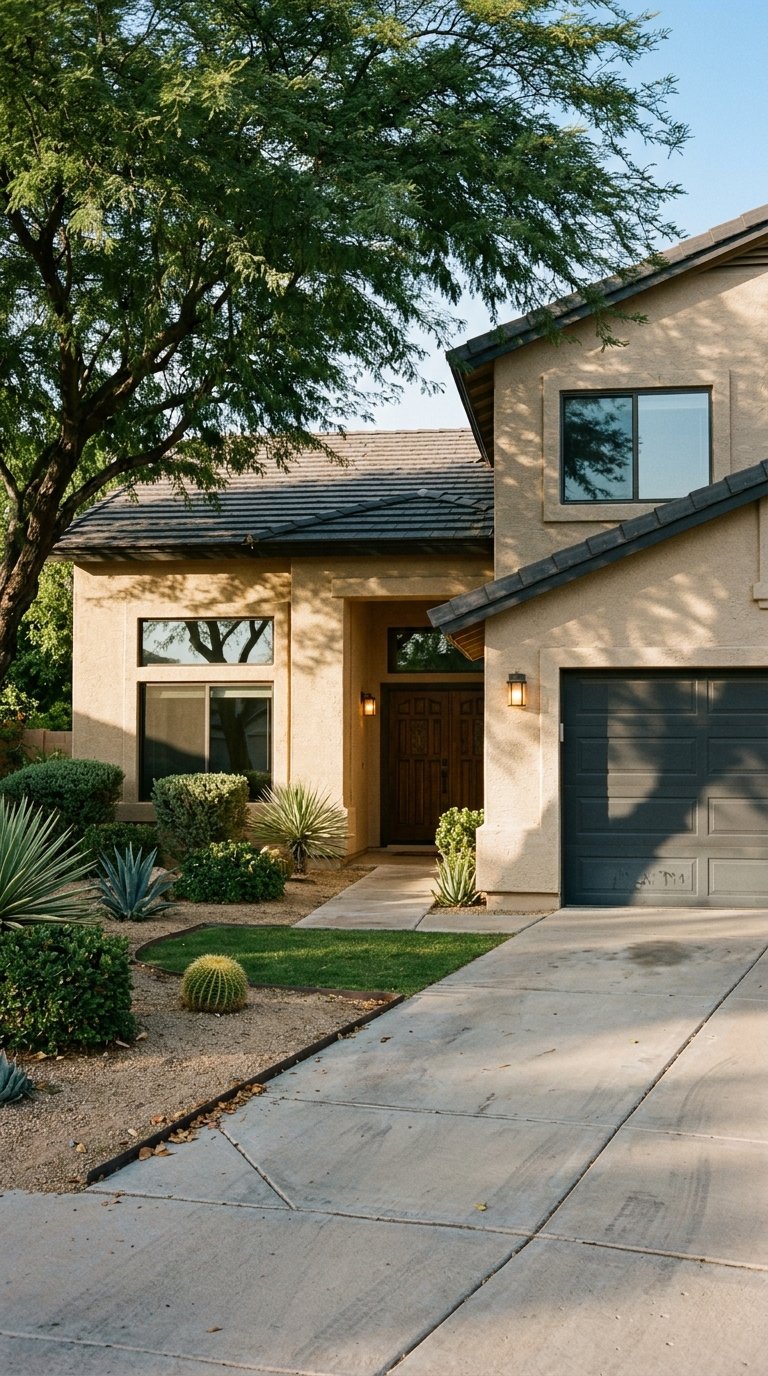
Trying to decide between a newer neighborhood and an established one in Gilbert? You are not alone. Many buyers find that this choice has less to do with a home’s age and more to do with how you want to live, what you want to maintain, and how much flexibility you want after closing. In Gilbert, those differences can be meaningful, especially as the town nears full build-out and available land becomes more limited. Let’s dive in.
Why this choice matters in Gilbert
Gilbert has grown from a small agricultural town into a large suburban market, and the town says build-out is expected by 2030. That matters because your choices are increasingly shaped by what already exists, whether that is a newer master-planned community or a more established area with older housing stock and redevelopment activity.
Just as important, Gilbert’s housing mix is broad. The town describes housing options that include condos and apartments, starter homes, large-lot properties, executive housing on larger parcels, and even some equine-oriented properties. So when you compare newer versus established neighborhoods, you are really comparing lifestyle, costs, lot use, amenities, and renovation potential.
What newer Gilbert neighborhoods often offer
In Gilbert, newer communities often come with a more planned and packaged lifestyle. These neighborhoods are commonly association-managed and built around shared amenities, cohesive design, and predictable upkeep.
For example, The Bridges at Gilbert includes more than 1,300 single-family homes along with trails, lakes and streams, splash pads, sports courts, parks, and large green spaces. Spectrum at Val Vista describes 1,432 homes across 1,156 acres, with 13 neighborhoods, 12 playgrounds or tot lots, two neighborhood pools, walking and running trails, and a community center.
Amenities can be a major draw
If you want neighborhood features ready on day one, newer communities may feel like the easy answer. Instead of adding your own pool, park access, or recreation space, you may get those benefits through the neighborhood itself.
That setup can be especially appealing if you value convenience and lower immediate maintenance. Shared amenities can reduce what you need to build or maintain on your own property, though they also come with recurring costs and community rules.
Floor plans are often more standardized
Current new-construction options in Gilbert also tend to be more standardized in design and layout. Fulton Homes’ Cooley Station and Seaboard offerings list floor plans from about 1,693 to more than 2,900 square feet, with pricing on that page starting in the high $500,000s.
That can be a plus if you want a home that feels move-in ready and modern from the start. Gilbert’s community needs assessment also noted that many new housing developments consist of large homes with multiple bedrooms, which may fit buyers looking for more interior space and newer finishes.
HOA rules are usually more visible
One of the biggest trade-offs in newer neighborhoods is structure. The HOA often plays a larger role in daily living, neighborhood appearance, and use of common areas.
At The Bridges, HOA assessments are billed quarterly, separate from the mortgage, and the 2026 quarterly assessment is listed at $405. Those funds go toward landscaping, entryways, parks, trails, playgrounds, lakes, waterfalls, and other common-area maintenance.
Spectrum’s published rules also show how lifestyle standards can be enforced in a master-planned setting. Restrictions there include limits on overnight street parking and rules around trash and common-area use. For some buyers, that creates peace of mind. For others, it feels too restrictive.
What established Gilbert neighborhoods can offer
Established neighborhoods in Gilbert often bring more variety and more change over time. You may see a wider mix of lot sizes, home styles, ages, and improvement levels than you would in a newer planned community.
The Heritage District is a strong example. It is Gilbert’s original town site and downtown area, and the town says it includes a mix of retail, office, education, and housing uses. The district was designated a redevelopment area in 1989 and has continued to attract reinvestment.
Older areas may have more character and flexibility
In an established area, the appeal is often less about polished uniformity and more about options. You may find homes with larger lots, different layouts, fewer visible neighborhood controls, or stronger opportunities to personalize the property over time.
That flexibility can matter if you are thinking ahead about outdoor use. Gilbert specifically notes that the town includes large lots and even equine-oriented parcels, which highlights how different some established housing options can feel compared with more standardized new-construction communities.
Redevelopment can create opportunity
Established does not mean stagnant. In Northwest Gilbert, the town says a mature employment corridor is undergoing redevelopment planning because data show deterioration consistent with a natural life cycle.
For buyers, that can signal opportunity. Revitalization can bring new or renovated homes and businesses, which may appeal if you are comfortable buying into an area that is evolving rather than already finished.
Maintenance may be less predictable
The trade-off, of course, is that older homes can come with more repair needs. Gilbert’s 2024 community needs assessment identified major home-repair needs such as roofs, windows, and HVAC, and the town’s 2024-2025 CAPER reported 58 home repairs completed through its emergency and minor repair programs in one fiscal year.
That does not mean every established home needs major work. It does mean you should budget carefully for systems, safety items, and modernization if you are buying an older property.
Costs to compare beyond the price tag
When buyers compare neighborhoods, the list price often gets too much attention. In Gilbert, the smarter comparison is the full monthly and long-term cost of ownership.
In newer communities, that may include HOA dues and costs tied to shared amenities. In some established areas, you may face different recurring obligations, such as Parkway Improvement District taxes.
HOA fees vs PKID taxes
Gilbert says 11 neighborhoods are organized into Parkway Improvement Districts, or PKIDs. In those neighborhoods, the town owns the open-space property but levies taxes on homes in the district to fund maintenance and improvements to parks, retention areas, entryways, and street rights-of-way.
That is different from a standard HOA fee, but it still affects your carrying cost. When you compare a newer and an established neighborhood, make sure you are looking at mortgage payment, taxes, assessments, district obligations, and likely maintenance together.
Questions to ask before you choose
The right fit usually becomes clearer when you focus on your daily life and not just the home tour. A few practical questions can help you compare your options with more confidence.
How much maintenance do you want right away?
If you want lower immediate repair risk and less post-close work, a newer home may be the safer choice. If you are open to updates, repairs, or remodeling in exchange for more lot flexibility or value-add potential, an established home may make more sense.
How important are neighborhood amenities?
Some buyers love having trails, pools, parks, splash pads, and green space built into the neighborhood. Others would rather put more of their budget into the house or lot itself instead of paying for shared amenities through regular assessments.
How much flexibility do you need outside?
Before you buy, think about future plans for the property. If you want space for a pool, addition, workshop, or other outdoor use, lot size and neighborhood rules matter just as much as the home itself.
Are you comfortable with rules and restrictions?
Arizona requires a Public Report for new homes in a subdivision before contract signing. The Arizona Department of Real Estate says that report must include taxes and assessments, community facilities, local services, and property owners association details, and it notes that CC&Rs can restrict landscaping, RV parking, play equipment, and satellite antennas.
For resale homes in planned communities, Arizona law also requires disclosure documents that can include the bylaws, declaration, assessment information, operating budget, annual financial report, reserve study if any, and a summary of pending lawsuits. Associations may charge up to $400 for that disclosure package.
A simple way to decide
If your priority is cohesive design, shared amenities, and lower immediate maintenance, newer Gilbert neighborhoods are often the better fit. If your priority is larger or more flexible lots, a more varied housing stock, or the chance to create value through updates, established neighborhoods may serve you better.
Neither option is automatically better. The best choice is the one that fits your budget, your tolerance for rules and repairs, and the way you want to live in Gilbert over the next several years.
If you want help comparing Gilbert neighborhoods at a practical level, from recurring costs to resale potential and inspection considerations, working with an experienced local advisor can save you time and expensive second guesses. Connect with Afshin Sadeghi for clear guidance tailored to your goals.
FAQs
What is the main difference between newer and established neighborhoods in Gilbert?
- Newer Gilbert neighborhoods often offer shared amenities, more standardized homes, and visible HOA structures, while established neighborhoods often offer more housing variety, possible lot flexibility, and more renovation potential.
What should you review before buying a new home in a Gilbert subdivision?
- You should review the Arizona Public Report, which must include taxes and assessments, community facilities, local services, and property owners association details before contract signing.
What should you inspect carefully in an older Gilbert home?
- The Arizona Department of Real Estate recommends reviewing seller disclosures, considering termite and professional home inspections, and confirming that appliances and irrigation systems work properly.
Why do some Gilbert neighborhoods feel more restrictive than others?
- Some planned communities have CC&Rs and HOA rules that can affect landscaping, parking, play equipment, satellite antennas, trash placement, and certain exterior uses.
What is a Parkway Improvement District in Gilbert?
- A Parkway Improvement District is a neighborhood cost structure where the town levies taxes on homes in the district to fund maintenance and improvements for open space, parks, retention areas, entryways, and street rights-of-way.
How should you compare the cost of newer and established Gilbert neighborhoods?
- You should compare the full carrying cost, including purchase price, mortgage, taxes, HOA assessments or district obligations, and the likely near-term maintenance or repair needs of the property.
