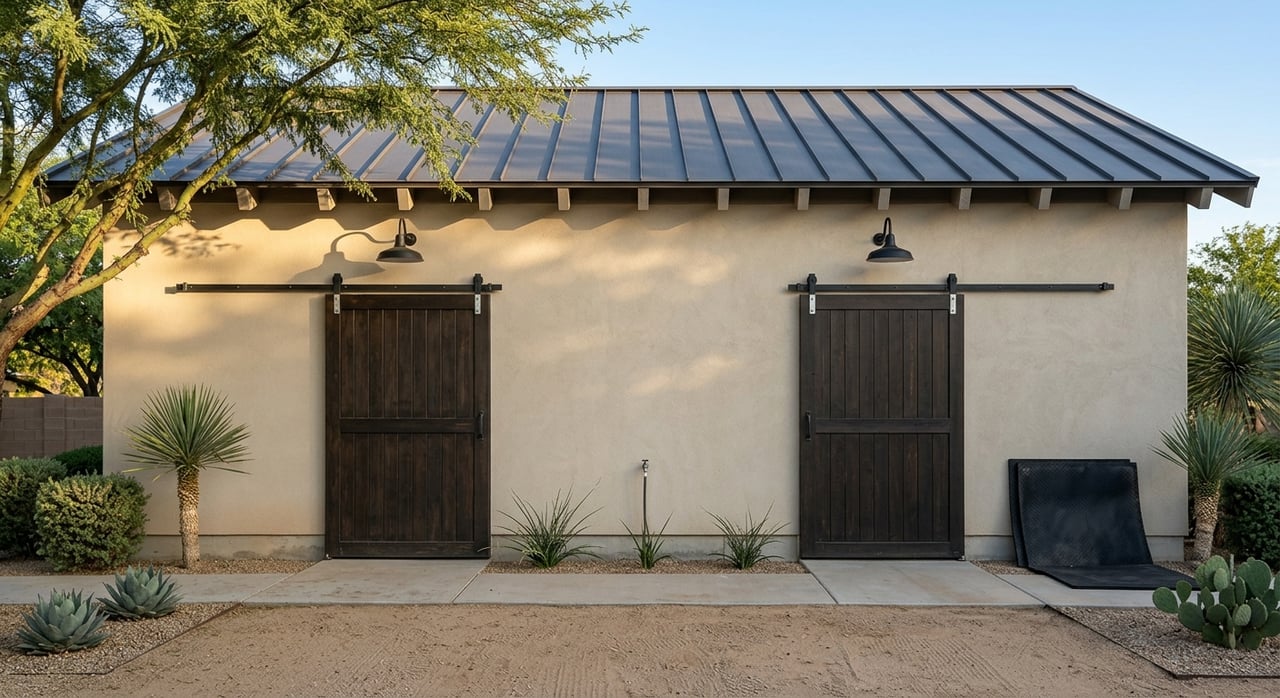
If you are dreaming about a horse property in Cave Creek, it helps to know that not every large parcel works the same way. In this market, the details behind the land matter just as much as the views, the barn, or the riding setup. When you understand zoning, utilities, trail access, and site rules before you buy, you can make a more confident decision. Let’s dive in.
Why Cave Creek appeals to horse owners
Cave Creek has a distinctly rural feel that draws buyers who want open space, desert surroundings, and access to riding opportunities. The town’s buyer notice highlights features many horse-property buyers care about, including rural land use, public trails, wildlife, dark skies, and lower-speed rural roads. You can review that local guidance in the Town of Cave Creek notice to prospective property owners.
For many buyers, the appeal is not just the home itself. It is the combination of land, trail connections, and a lifestyle that supports horses and other livestock in the right zoning areas. That is why the smartest way to evaluate a Cave Creek horse property is to start with what the parcel legally allows.
Start with zoning first
In Cave Creek, horse-property shopping should begin with zoning, not just acreage. The town’s residential zones include Desert Rural, Single Residence, and Multiple Residence, and the most important category for horse-oriented buyers is Desert Rural, often called DR. According to the town’s residential zoning regulations, private ranch uses require at least two contiguous acres under single ownership.
That threshold matters because a parcel can feel spacious and still not qualify for full private ranch use. Cave Creek also lists current DR minimum lot sizes of 43,000, 70,000, 89,000, and 190,000 square feet, so parcel size can vary quite a bit from one property to another. In other words, you do not want to assume that a larger lot automatically gives you the same horse-use flexibility as another listing nearby.
What private ranch use can include
For qualifying DR parcels, private ranch use may include:
- Boarding
- Breeding
- Equine training
- Equine lessons
- Sale of ranch animals
- 4H or other youth-related activities
The same zoning rules also make clear that private ranch use does not include uses such as dairies, liveries, livestock sale barns, retail hay, feed, or tack sales, or ranch activities open to the general public with an entry fee or donation. If you have plans beyond personal horse ownership, it is worth checking how those plans fit within the code before you move forward.
Know the difference between private and commercial use
Some buyers want a home for personal horse use. Others are thinking about boarding, lessons, or a more public-facing riding operation. That is where the distinction between private ranch and commercial ranch use becomes very important.
Under Cave Creek’s zoning rules, commercial ranch uses require at least five contiguous acres. The operator must live on the premises, access must reach at least a designated collector road, and the town expects plans for parking, manure, fly control, and dust control. Those standards can affect whether a property works for your long-term goals, even if the current setup looks ideal on first tour.
Barns, corrals, and horse features need review
A horse property is more than a house on acreage. The real value often comes from the existing improvements, such as barns, corrals, arenas, paddocks, horse shades, trailer storage, and guest or accessory quarters. In Cave Creek, those uses and structures are restricted to DR zones, and the town requires zoning clearance and any needed building permits before they are established.
That means you should verify more than whether a barn exists. You also want to know whether the improvements were properly approved and whether they comply with current setback and use standards. This is one of the most important parts of due diligence because it affects how you can use the property after closing.
Key site rules to check
The town’s zoning rules include several practical standards that can shape how a horse property functions:
- A 12-foot Native Habitat Corridor is required along property lines in DR zones
- Parcels 2 acres and larger must keep at least 20% undisturbed
- Driveways and septic systems count toward land-disturbance calculations
- Fences, including corral fences, must be set back 12 feet from property lines
- Manure storage must be at least 60 feet from property lines
- Outdoor corrals, stables, arenas, or paddocks cannot be illuminated after 10:30 p.m.
- Lighting is limited to 20 feet in height and must be shielded
- Horse trailers are treated as an accessory use
These rules can affect your usable area more than you might expect. A parcel may have the right acreage on paper but still offer less practical room for an arena, turnout, or additional structures once setbacks, disturbance limits, and utility areas are factored in.
Trail access is a major plus, but verify it
One of Cave Creek’s biggest draws for equestrian buyers is its trail network. The town maintains multi-use trails that connect neighborhoods to the Town Core, Spur Cross Ranch Conservation Area, Cave Creek Regional Park, the Tonto National Forest, and Desert Foothills Land Trust properties. The town also notes that horses have the right of way on trails.
That sounds ideal, but there is an important detail to remember. The town’s glossary and buyer notice explain that trails and pathways may exist within rights-of-way or through easements dedicated by private property owners, and many properties either abut or are crossed by trails. You should verify recorded access rather than assume a parcel offers direct ride-out access just because it is close to a trail.
Nearby riding resources
Cave Creek also points to two popular riding destinations:
- Cave Creek Regional Park, which offers more than 11 miles of trails and a horse staging area
- Spur Cross Ranch Conservation Area, which offers more than 7 miles of trails and connects to the Maricopa Trail and Tonto National Forest
It is also helpful to know that motorized vehicles are prohibited on Cave Creek trails and washes. If you plan to ride on state trust land, Arizona State Parks says a recreation permit is required, as noted in the town’s buyer notice.
Water, sewer, well, and septic matter more here
Infrastructure can make or break the practicality of a horse property. In Cave Creek, residential services vary by area. Water service is provided by the Town of Cave Creek to most residences and businesses, and the town also manages the Desert Hills Water System and the sanitary sewer system. Electric service is provided by APS, natural gas by Southwest Gas, and trash pickup is handled by private haulers.
For buyers, one of the first questions should be whether the property is on town water, Desert Hills water, a private well, or a combination of services. The town’s water system facts also note that the main water system is CAP-fed, the Desert Hills system relies on groundwater wells supplemented by treated CAP water, and water rates may be higher than in some other areas.
Sewer is limited in some areas
Not every part of Cave Creek has sewer access. The town says its wastewater collection system is very limited in area, and not all properties can be serviced. The town also notes that sewer hookup may be mandatory where sewer service is available.
If the home is not on sewer, it may rely on an onsite wastewater system such as septic. That creates a few extra questions for your inspection and contract process.
Septic transfer rules to know
If the property has septic, Maricopa County requires a qualified inspection within six months before transfer, and a Notice of Transfer must be filed within 15 calendar days after closing. The county outlines that process in its onsite wastewater ownership transfer requirements.
For a buyer, that means you should ask when the last inspection was completed and whether the seller will provide the required transfer paperwork. On horse properties, septic location also matters because it affects land disturbance calculations and how you plan additional improvements.
Rural conditions come with practical responsibilities
Cave Creek’s rural character is part of its appeal, but it also comes with extra planning considerations. The town’s buyer notice explains that private roads are common, rural roads may have low speed limits, and roads, trails, and washes can become impassable during extreme weather. That can influence daily hauling, feed deliveries, trailer access, and general convenience.
Trash service is another example. Cave Creek does not offer municipal trash collection, so service is handled by private haulers. For buyers coming from more urban parts of the Valley, these are small but important lifestyle details to understand in advance.
Think about wildfire planning too
Horse properties often include barns, hay storage, fencing, and open land, which makes wildfire planning especially relevant. The town provides emergency fire and medical protection and offers free defensible-space evaluations, according to its buyer notice. That can be a valuable resource when you are evaluating how a property is set up today and what improvements may be worth making later.
Questions to ask before you buy
When you are considering a horse property in Cave Creek, these are some of the most important questions to answer before moving forward:
- Is the parcel in a Desert Rural zone?
- Does it meet the two-contiguous-acre threshold for private ranch use?
- If you want business-related horse use, does it meet the five-acre commercial requirement?
- Were the barn, corrals, horse shade, trailer parking, and guest quarters properly permitted?
- Do fences, manure storage, and lighting comply with setbacks and operating rules?
- Is the property on town water, Desert Hills water, a private well, or mixed service?
- Is sewer available, or does the property use septic?
- If it has septic, when was the last inspection and will transfer paperwork be provided?
- Are trail easements recorded and confirmed?
- If nearby riding includes state trust land, are permits needed?
- How are manure storage, fly control, dust control, drainage, and defensible space handled on the site?
These questions can help you look beyond the marketing photos and focus on how the property will actually function for your needs.
Work with a local guide who checks the details
Buying a horse property in Cave Creek is not just about finding a beautiful home with land. It is about matching your goals to the parcel’s zoning, infrastructure, access, and improvement history. When those pieces line up, you can enjoy the lifestyle you want with fewer surprises after closing.
If you are weighing horse-property options in Cave Creek, working with an experienced local advisor can help you ask better questions, spot red flags early, and negotiate with clearer facts. If you want help evaluating properties, comparing land-use fit, or planning your next move, connect with Afshin Sadeghi for trusted, hands-on guidance.
FAQs
What zoning should you look for in a Cave Creek horse property?
- You should confirm the parcel is in a Desert Rural zone, because that is the key zoning category for full horse-related private ranch use in Cave Creek.
How many acres do you need for horse use in Cave Creek?
- For private ranch use, Cave Creek requires at least two contiguous acres under single ownership in a Desert Rural zone, while commercial ranch uses require at least five contiguous acres.
Can a Cave Creek horse property have barns and corrals on any lot?
- No. Horse-related structures such as barns, corrals, horse shades, and detached accessory living quarters are restricted to Desert Rural zones and may require zoning clearance and building permits.
Does every Cave Creek horse property have direct trail access?
- No. Many properties are near trails or crossed by trail easements, but you should verify recorded access before assuming you can ride directly out from the parcel.
What utilities should you verify on a Cave Creek horse property?
- You should confirm whether the property uses town water, Desert Hills water, a private well, sewer service, or septic, because utility setup varies by area and affects both cost and usability.
What septic rules apply when buying a horse property in Cave Creek?
- If the property has an onsite wastewater system, Maricopa County requires a qualified inspection within six months before transfer and a Notice of Transfer after closing.
